
Understanding Bonus Zakabet for Nigerian Sports Bettors
🎯 Understand Bonus Zakabet and boost your Nigerian sports betting with clear eligibility tips, bonus types, claim steps, and smart use advice to win big ₦!
Edited By
James Olatunji
Zakabet shopping is a practical strategy many Nigerian consumers use to keep their spending under control, especially during high-expense periods like the ember months. It boils down to managing your expenses in a planned way to get the best value for your naira without falling into impulsive buying.
At its core, zakabet shopping involves setting clear budgets, prioritising essential items, and timing your purchases to correspond with discounts or favourable market conditions. For instance, bulk buying of staples like rice, beans, gari, and cooking oil at the start of the ember months guarantees savings later when prices tend to spike.

Another key element is making good use of digital platforms tailored for Nigerian shoppers. Apps such as Jumia Nigeria and Konga, or fintech services like Paystack and Flutterwave, offer promotions and easy payment options that support the zakabet mindset. You can monitor price trends and get notified of flash sales, helping you avoid overpaying.
To apply zakabet shopping effectively, focus on:
Tracking your spending with simple budgeting apps or even manual records to avoid overspending on non-essential items.
Planning your shopping trips to markets or retail outlets known for quality goods at competitive prices rather than purchasing from convenience spots.
Being wary of deals that look too good to be true, as some might be gimmicks leading to poor value or substandard goods.
Practising zakabet shopping means being intentional. The goal is not just to save money but to spend wisely by aligning purchases with need and value.
Common challenges include getting tempted by social pressures during festive seasons or lacking access to reliable information on prices. To overcome these, create a support system—discuss your budget and plans with family members or friends who understand the importance of sticking to your zakabet.
When you adopt zakabet shopping, you gain better control over your finances and reduce stress during high spending periods. It is not about denying yourself but about ensuring every naira counts, buying quality items at the right time, and avoiding unnecessary waste.
Understanding these basics will prepare you to dive deeper into effective strategies and digital tools that make zakabet shopping feasible and rewarding for the Nigerian consumer.
Zakabet shopping goes beyond just buying items; it involves a deliberate plan to control spending while ensuring household needs are met effectively. In Nigeria's current economic climate, where inflation bites and the cost of living rises steadily, understanding zakabet shopping helps consumers protect their finances. It's about managing resources smartly to stretch every naira without sacrificing essential purchases.
In Nigeria, zakabet shopping reflects more than budgeting — it captures the way families and individuals adapt to fluctuating prices and supply challenges. Many Nigerian households prepare for major spending seasons, especially the ember months, by listing out necessary goods and estimating costs with care. For example, someone may prioritise buying rice, garri, and cooking oil before other luxuries, ensuring staple foods are covered first. This approach recognises the unique purchasing patterns influenced by local market conditions, traditional savings habits, and unpredictable income streams common in the informal sector.
Inflation in Nigeria has steadily pushed prices of food, clothing, and transport higher, shrinking the purchasing power of the average consumer. What cost ₦2,000 last year may now be ₦2,500 or more, forcing families to rethink how they spend. For a single mum in Lagos, this can mean cutting back on non-essentials or buying from wholesale markets to save. Tracking these cost changes closely helps prevent overspending and keeps the budget balanced.
Fuel price hikes directly affect daily expenses in Nigeria—not just for personal transport but also for powering generators during electricity outages. When the price of petrol climbs, transport fares often rise, affecting how much you pay to get your zakabet goods home. Meanwhile, running a generator for a few hours daily can add thousands of naira to monthly bills, squeezing budgets tighter. For instance, a family relying on a diesel generator may spend up to ₦20,000 weekly just on fuel in some states, which adds pressure when planning zakabet shopping trips or home cooking.
Carefully managing expense categories like fuel and food supplies is key to successful zakabet shopping. Taking proactive steps to track these costs ensures you get the best value without surprises.
Adapting to these realities requires not only planning but also staying flexible—considering alternatives like bulk buying from trusted bukaterias or using fintech platforms for better deals. Zakabet shopping in Nigeria today is about combining tradition with smart use of available resources to weather economic challenges with minimal stress.
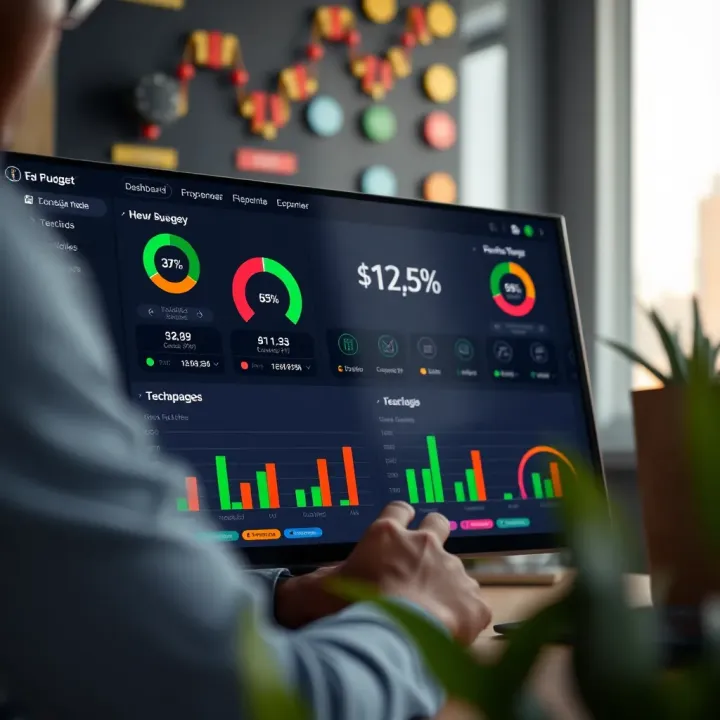
Planning your zakabet shopping well can save you stress and help you get the best value for your naira. It ensures you avoid rushing into purchases that can hurt your budget or lead to waste. Especially during ember months, when prices spike and demands increase, knowing how to plan is a solid advantage.
Assessing your monthly income and expenses sets the foundation for effective zakabet shopping. It means listing every source of income – salaries, side hustles, or other inflows – then subtracting all fixed and variable costs like rent, school fees, and transport. For example, if you earn ₦150,000 monthly and spend about ₦100,000 on essentials, you know your shopping limit for additional items is ₦50,000. Without this clarity, overspending becomes easy, especially with the temptation of offers and credit options.
Once you know your income and expenses, you can work on allocating funds between essential and discretionary spending. Essentials are must-haves like food staples, toiletries, and household bills. Discretionary spending covers items like snacks, extra clothes, or gifts. For instance, allocating ₦30,000 for food items and ₦10,000 for snacks helps you avoid diverting cash meant for essentials to less necessary purchases. Sticking to these limits protects your budget against impulse buys.
When shopping, start by focusing on staple goods and household essentials. These include items like rice, beans, garri, salt, oil, and cleaning supplies. They form the backbone of your daily needs. If you prioritise these, you secure your basic necessities against unpredictable price hikes or shortages during ember months. Skipping on these essentials to buy other items first risks running out early and spending more later to restock.
Timing your purchases for better prices also helps stretch your naira. Shopping early in the month or before major festivals often means catching promotional deals or price stability. For example, buying stock items before Sallah celebrations might give you access to discounts before sellers increase prices due to higher demand. Conversely, waiting too late can mean paying premium prices as demand peaks. Watching sales cycles or checking platforms like Jumia frequently can guide you on the best shopping times.
Smart zakabet shoppers plan by budgeting precisely and prioritising needs to avoid money problems later. It’s not just about buying, but buying wisely and at the right time.
By setting a realistic budget and prioritising what you buy carefully, zakabet shopping becomes a practical way to keep finances steady while still fulfilling your household needs.
Digital platforms have become key tools for Nigerian consumers practising zakabet shopping. They offer convenience, access to deals, and efficient payment options which fit well with managing costs and timing purchases, especially during busier periods like ember months. Embracing these technologies helps shoppers avoid long queues, dodge traffic snarls, and navigate power supply issues that often complicate traditional shopping.
Jumia and Konga stand out as the main e-commerce platforms Nigerians turn to for zakabet shopping. Both platforms offer a wide range of products—from groceries and electronics to household items—allowing shoppers to source everything in one place without hopping from one market to another. Importantly, they often run timed sales and flash deals that can significantly reduce expenses if you plan carefully.
Apart from product variety, these platforms offer user-friendly interfaces and reliable customer service to handle return and refund issues, which is a big relief given Nigerians’ cautious approach to online shopping. You can also browse product reviews from other buyers, helping you pick genuinely good value items.
Fintech services like OPay and PalmPay complement the e-commerce experience by providing seamless payment options. Their mobile wallet systems allow users to make quick payments without the hassles of bank queues or needing a POS terminal during checkout. For example, with OPay, you can top up your wallet from your bank app in seconds, then use it for purchases on Jumia or Konga, earning cashback or loyalty points.
These fintech platforms also support bill payments and airtime top-ups, so you can bundle multiple obligations into a single transaction, saving time and transport costs. Plus, their customers often get access to exclusive promotions when paying through these wallets.
During ember months (September to December), demand for goods usually spikes, pushing prices higher and stores into chaotic sales environments. Online shopping counters these problems by granting shoppers access to special discounts and promotions that physical stores might not offer. For instance, Jumia’s Black Friday and Konga’s Christmas sales allow buyers to plan zakabet shopping efficiently, stretching their naira further.
Besides price benefits, online shopping eases the stress caused by Lagos traffic jams or generator fuel scarcity. Most platforms have robust delivery networks that operate even with erratic power supply, thanks to battery-powered logistics hubs or outdoor storage.
Although delivery might take a bit longer during peak ember months, flexible options like scheduled deliveries or pickup points let customers optimise their orders based on convenience. This way, you avoid wasted journeys or unproductive waiting times in unbearable traffic.
Using digital tools in zakabet shopping isn’t just about ease—it’s about stretching your naira and managing scarce time effectively, especially when the shopping season is at fever pitch. Leveraging e-commerce alongside fintech payments is now a smart way to buy right and save more.
Together, these digital platforms provide Nigerian shoppers a practical path to better budgeting, timely purchases, and smoother shopping experiences, essential for making the most of zakabet shopping in today’s challenging economy.
Zakabet shopping should help Nigerians stretch their naira wisely, but certain challenges often make this difficult. Understanding these obstacles helps you prepare better and shop smarter, protecting your wallet during ember months and beyond. Inflation, currency swings, power issues, and logistics hold significant sway over how and when you buy, as well as what prices you pay.
Naira depreciation hits imported goods hard because Nigeria relies heavily on foreign products. When the naira loses value against the dollar or euro, retailers pass this cost to consumers, causing prices of electronics, skincare, and packaged foods to climb. For instance, a tokunbo smartphone that cost ₦50,000 last year could now retail close to ₦70,000. This makes budgeting tricky as prices can rise unexpectedly.
To avoid overspending, plan purchases carefully. Make a list of essential items and compare prices across markets or online platforms to spot the best deals. Also, prioritise buying local products where possible, since these tend to be less affected by currency swings. Using fintech apps like Paystack or Flutterwave can help monitor promotions and secure better rates, which saves money. Lastly, avoid impulse buys by sticking to your zakabet budget.
Power outages significantly increase shopping costs in Nigeria. Delivery services and stores rely on generators, pushing up fuel expenses that eventually reflect in pricier delivery fees or markups. For example, a consumer might pay extra for same-day delivery during long NEPA blackout spells because drivers use more fuel to navigate traffic using vehicle lights.
Shopping smart under these conditions means timing your purchases carefully. Aim for early-day shopping or online orders during periods when power supply is stable to reduce delays and extra charges. Look out for vendors who offer free delivery or partner with logistics services that have reliable last-mile solutions despite poor infrastructure. Also, gathering purchases from one vendor reduces multiple delivery fees and lessens the hassle caused by traffic or fuel shortage.
Tackling these challenges requires a mix of foresight, patience, and use of technology. Understanding how inflation and power issues affect prices and delivery can protect your budget and make zakabet shopping truly practical and rewarding.
Smart zakabet shopping helps Nigerian consumers stretch every naira, especially during times when prices shoot up or power supply is unstable. By applying practical tips, you can control your spending, avoid waste, and make sure essential needs come first. These tips become very handy during the ember months when demand is high and sellers love to hike prices.
Tracking ember months promotions and sales is one way to save big. Retailers and e-commerce platforms like Jumia and Konga usually launch sales during September to December, targeting festive and year-end shoppers. Keeping an eye on these promotions allows you to buy items such as rice, cooking oil, or snacks at discounted prices. For example, buying a 50kg bag of rice during a promo can save you thousands compared to purchasing at regular price just before Sallah or Christmas.
Besides physical stores, many digital platforms announce flash sales or bundle offers, which come with free delivery or reduced charges. Following these promotions closely means you can plan your zakabet shopping more efficiently instead of paying more last minute. Even small savings add up over time.
Using price comparison tools online further sharpens your shopping strategy. Websites and apps that compare prices across different stores help you identify where an item costs less. For instance, if you need a generator or 12V battery for power backup, checking prices on various vendors helps you avoid paying tokunbo sellers who charge excessively. This reduces impulse buying driven by urgency or convenience.
Price comparison services empower you to spend wisely by showing where the best deals are and even pointing to alternative brands that offer similar quality at lower cost. Applying such tools ensures you don't settle for the first price encountered, which is crucial given Nigeria’s price fluctuations.
Creating shopping lists and sticking to them is a simple but effective way to avoid buying items you don't need. Before heading to the market or logging on to shopping sites, list what you really require — say, 5 litres of vegetable oil, 1 packet of indomie, or utensils you need replaced. When you follow this list, chances of picking extra snacks or gadgets dwindle.
Discipline here not only saves money but also time, as you avoid wandering the market or scrolling endlessly online. One practical example is when shoppers plan for festive meals: sticking to a list that prioritises staple foods over luxury wines or snacks can cut unnecessary expenses.
Limiting the use of credit or loan options during zakabet shopping is equally important. Although quick loans or buy-now-pay-later offers may look tempting, they often add hidden costs like high interest or administrative fees. Using such options too much can trap shoppers in a cycle of debt.
If you must borrow to smoothen your spending, set clear repayment plans and choose trusted lenders, such as microfinance banks or reputable fintech platforms like Kuda or PalmPay. Avoid borrowing from informal sources who may charge exorbitant rates. Keeping credit use minimal ensures your zakabet cupboard stays balanced without ballooning debts.
Practical zakabet shopping is about being thoughtful and deliberate every time you shop. Monitoring sales, using price comparison tools, sticking to lists, and limiting credit help you get the most for your naira without stress or regret.
🎯 Understand Bonus Zakabet and boost your Nigerian sports betting with clear eligibility tips, bonus types, claim steps, and smart use advice to win big ₦!

⚽ Learn how to master Zakabet Over Under 2.5 bets with practical tips and common pitfalls for Nigerian football fans ready to boost their ₦ stakes smartly.
🏟️ Explore Sports Zakabet Live, Nigeria's go-to for real-time betting! Learn features, payment options, safety tips & customer support for smart betting ⚽💰
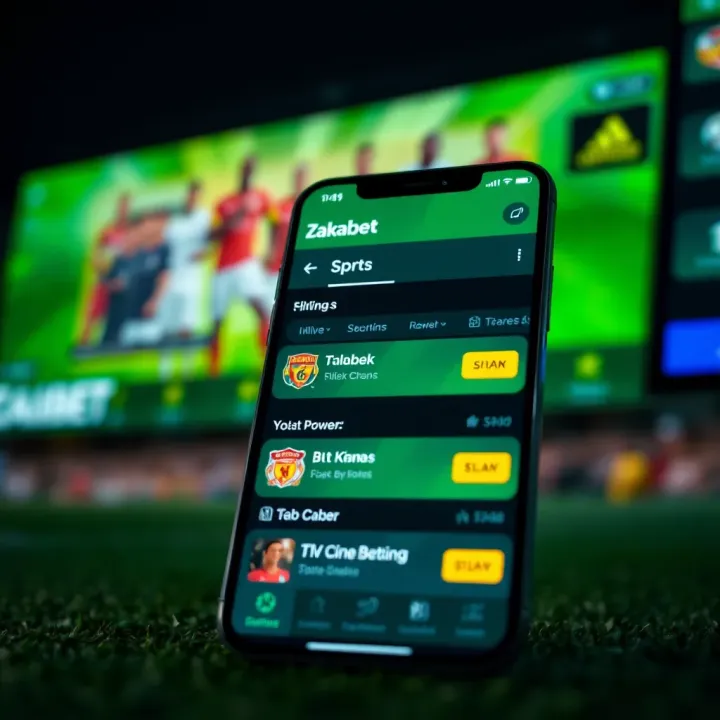
Explore Zakabet on iOS 📱: Learn to install, play sports bets, secure your account, and manage payments safely in Nigeria 🇳🇬. Bet smart and win ₦ today!
Based on 12 reviews